
TL;DR. Across the two RCEM pass-rate reports published so far (2023 and 2024), the MRCEM Primary SBA has barely moved: 58.0% in 2023, 57.4% in 2024 — statistically not significant. The 2025 full-year report has not yet been published (the 2024 report dropped in October 2025; expect the 2025 one around October 2026). On a diet-by-diet basis, candidates and tutor schools report the Primary still sits in the 50-60% range, while it is the MRCEM SBA that has fallen off a cliff (47.0% → 30.9%). If you are timing your diet, the Primary trend itself is flat; the harder question is whether your preparation matches the curriculum, not whether the cohort is being failed at a higher rate.
Has the MRCEM Primary actually got harder in 2025?
Short answer: not by the headline numbers. The two RCEM Exam Pass Rate Reports we have (2023 and 2024) show the Primary SBA pass rate moved from 58.0% to 57.4% — a difference RCEM flagged as not statistically significant using a Z-test, with a Cohen’s h effect size of 0.02 (essentially nil).
Where the Primary feels harder is in the lived experience: every diet has at least one viral Reddit or WhatsApp thread declaring the paper a horror show, the anatomy stems unfair, and the radiograph image quality dreadful. That feeling is real, but it has been real for several years running and is not unique to 2025. The cohort-level pass rate has stayed flat through it all.
What pass-rate data does RCEM actually publish?
RCEM publishes one annual Exam Pass Rate Report covering all diets of all five RCEM exams (MRCEM Primary SBA, MRCEM SBA, MRCEM OSCE, FRCEM SBA, FRCEM OSCE). The 2023 report was the inaugural one. The 2024 report was published in October 2025. The 2025 full-year report has not yet been released as of 30 May 2026.
Individual diet pass marks and cohort averages are released in candidate feedback letters six to eight weeks after each sitting, and RCEM does not publish a diet-by-diet pass-rate table in advance.
Key facts
- 2023 MRCEM Primary SBA: 1,673 fail / 2,314 pass / 3,987 total = 58.0% pass
- 2024 MRCEM Primary SBA: 2,054 fail / 2,770 pass / 4,824 total = 57.4% pass
- 2024 cohort grew 21%: 837 more candidates sat the Primary in 2024 than in 2023
- Statistical change 2023→2024: not significant (Z-test); effect size 0.02
- 2025 full-year report: not yet published as of 30 May 2026
- Format unchanged: 180 SBA questions, 3 hours, mapped to the RCEM Basic Sciences Curriculum (June 2010)
What is the year-by-year trend across all MRCEM exams?
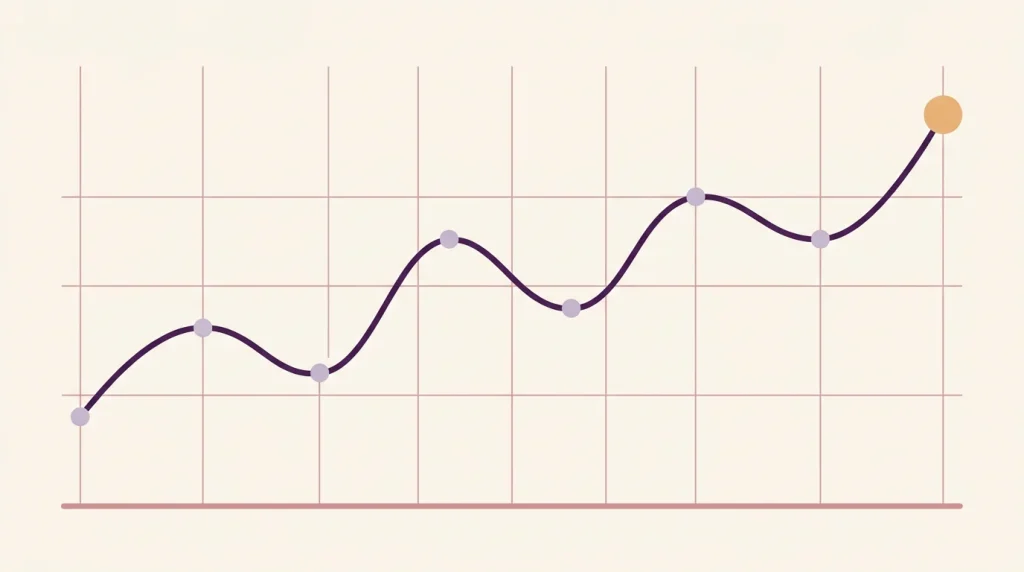
Useful context: the Primary’s stability is the exception. The MRCEM SBA (the second written paper) saw the sharpest pass-rate drop on record between 2023 and 2024, and the MRCEM OSCE fell too.
| Exam | 2023 pass % | 2024 pass % | Change | RCEM significance |
|---|---|---|---|---|
| MRCEM Primary SBA | 58.0% (n=3,987) | 57.4% (n=4,824) | −0.6 pp | Not significant |
| MRCEM SBA (Intermediate) | 47.0% (n=4,035) | 30.9% (n=3,101) | −16.1 pp | Significant (effect size 0.33) |
| MRCEM OSCE | 86.0% (n=1,052) | 80.0% (n=1,225) | −6.0 pp | Significant (effect size 0.16) |
| FRCEM SBA | 47.0% (n=1,102) | 51.1% (n=1,093) | +4.1 pp | Not significant |
| FRCEM OSCE | 83.9% (n=622) | 80.6% (n=697) | −3.3 pp | Not significant |
| Overall (all diets) | 57.0% (n=10,798) | 53.3% (n=10,940) | −3.7 pp | Significant (effect size 0.08) |
The narrative “MRCEM is getting harder in 2025” is largely driven by the SBA collapse, not the Primary. If you are at the Primary stage, the cohort-level signal says: nothing has structurally shifted. If you have already passed Primary and are sitting SBA, expect a much tougher diet than candidates faced two years ago.
What were the 2025 diet results actually like?
RCEM has not aggregated 2025 yet, but candidate-level data leaks out via feedback letters and Reddit threads:
- May 2025 Primary diet (13 May 2025): sat by a large cohort across UK, Malaysia, India and Middle East centres; private tutor schools reported their own pass rates in the mid-90s (which inflates the picture because their cohorts are self-selected and prepped intensively).
- October 2025 Primary diet: ran without notable RCEM-flagged incidents. Candidate-reported pass mark sat in the usual 100-110 band out of 180.
- December 2024 diet (reference point): pass mark 106. Cohort average 105 — i.e. the average candidate fails by one mark, which is what a 57% pass rate looks like in practice.
- September 2024 MRCEM SBA (reference for the harder cousin paper): pass mark 117/179, cohort average 105.
Until RCEM publishes the 2025 annual report (expected October 2026 based on the 2024 report’s release pattern), no one can quote you a verified 2025 full-year pass rate.
Why does the Primary feel harder than the headline 57% suggests?
Three reasons keep coming up in candidate feedback:
Anatomy is unforgiving. The exam blueprint is heavily weighted to anatomy and physiology, and the questions are written from the 2010 Basic Sciences Curriculum, which goes deeper into upper-limb innervation, GI layers, and cranial nerve foramina than most UK F2-equivalent doctors have touched since medical school. Candidates who score 70-80% on the MRCEM Success Q-bank routinely report leaving the real exam thinking they failed.
Stem wording. SBA single-best-answer means two or three options are often defensible. RCEM uses “all are correct except” and negatively-framed questions that punish you for reading too fast. Several Reddit threads on r/doctorsUK from 2024-2025 specifically complain about wording that does not match the q-bank style.
Image quality. Recurring candidate complaint: ECGs and plain films in both Primary and SBA papers are low-resolution and over-compressed. RCEM acknowledged the issue in 2023 and the Examinations Process Improvement Programme update, but the on-the-day experience has not changed dramatically.
Does where I sit the exam affect my chances?
Yes — strongly, but probably not for the reason you think. RCEM’s own 2024 data shows pass rates by candidate group are wildly different, and this differential is consistent year on year:
- UK trainees: 79.6% pass across all diets in 2024 (down from 86.5% in 2023)
- UK non-trainees: 57.2%
- ROI trainees: 48.5%
- International candidates: 46.0%
- Candidates working within the UK: 68.0% pass rate
- Candidates working outside the UK: 46.1%
- UK primary medical qualification: 81.2% pass rate
- International primary medical qualification: 46.6%
- English as first language: Yes 64.4%; No 47.5%
The test centre itself does not change the paper. What changes is the candidate population sitting in each location — UK Surpass centres skew heavily towards UK trainees on dedicated study leave, which inflates the apparent geographic effect.
Does attempt number matter?
Massively. This is the single biggest predictor of pass-rate movement in the RCEM data, and it is the most under-discussed.
- First attempt: 66.6% pass rate (2024 data, all diets combined)
- Second attempt: 31.4%
- Third attempt: 31.3%
- Fourth attempt or more: 31.2%
RCEM’s effect size for attempt-number is 0.34 (strong). Resitting candidates pass at half the rate of first-timers — meaning the headline 57% pass rate masks a 66% first-attempt rate dragged down by a 31% resit rate. The practical implication: if your diet timing is the question, do not book until you can give the exam a proper run at the curriculum. A botched first attempt costs you ~£450, six months, and statistically halves your odds on attempt two.
How should I time my MRCEM Primary diet given this trend?
The cohort-level trend is flat. So the diet-timing decision is not “will the exam be harder in October than May” — it is the standard prep-readiness question:
- Three to four months of focused prep is the modal recommendation from passing candidates on r/doctorsUK and the EMTA forums. Two months is doable but tight unless you have recent anatomy/physiology recall.
- Do not chase a diet you are not ready for just because interview shortlisting (ST1 or ST3 EM) rewards a passed Primary. A fail tax, financially and statistically, is worse than a delayed pass.
- Avoid the November-to-January exam window if you can — clinical rota intensity over winter wrecks revision schedules in a way the May/October diets do not.
- Plan around 6-8 weeks of results delay when sequencing Primary → SBA → OSCE.
What should I revise from given the 2025 picture?
Candidate feedback has been remarkably consistent across the 2023, 2024 and 2025 diets:
- Primary q-bank: MRCEM Success remains the most-cited core resource. Plan to do the full bank twice and the textbook once. Some passing candidates add FRCEM Tutor for a second q-bank perspective.
- Anatomy: Kenhub is the most-recommended supplementary source for cranial nerves, brachial plexus and abdominal anatomy. The RCEM Basic Sciences Curriculum (June 2010) is the authoritative scope document — print it out and use it as a checklist.
- Recalls: Frequently mentioned as useful but not a substitute for systematic curriculum coverage.
- Mock exams: Time yourself on full 180-question papers — pacing under time pressure is consistently flagged as harder than the question content itself.
If you want a structured plan that maps the curriculum to your diet date and tracks your weak areas, EM Final Exams hosts our full MRCEM Primary course.
How reliable are the third-party “pass rate” claims I see on social media?
Treat with caution. Tutor schools that publish 94%, 95% or 97% pass rates for their cohort are not lying — but they are not measuring what RCEM measures. Their cohorts are paid students who completed the full course and sat at a time of the tutor’s recommendation; that is a heavily self-selected group. The RCEM cohort includes everyone who turns up — including underprepared first-timers and stuck resitters. The two numbers are not directly comparable, and any claim above 80% should be read as a marketing pass rate, not a curriculum-difficulty signal.
Frequently asked questions
What is the MRCEM Primary pass rate for 2025?
RCEM has not yet published a verified 2025 full-year pass rate as of 30 May 2026. The most recent verified figures are 58.0% (2023) and 57.4% (2024), both from the RCEM Exam Pass Rate Reports. The 2025 report is expected around October 2026.
Has the MRCEM Primary become harder year on year?
No, not by the verified pass-rate data. The 2023→2024 change was −0.6 percentage points, which RCEM’s own Z-test rated as not statistically significant.
What is the pass mark for the MRCEM Primary?
It varies by diet because RCEM uses the Angoff method to standard-set each paper. Recent diets have settled in the 105-110 / 180 range. December 2024 was 106.
Why is the MRCEM Primary pass rate higher than the MRCEM SBA?
The Primary tests defined basic sciences content with a fixed curriculum. The SBA tests the full breadth of ED presentations with more vague, clinically-judged stems. In 2024 the SBA pass rate dropped to 30.9% versus 57.4% for the Primary — the SBA is currently the bottleneck of the MRCEM pathway.
Are UK trainees more likely to pass the MRCEM Primary?
Yes. RCEM’s 2024 data shows UK trainees pass at 79.6% across all exams; international candidates pass at 46.0%. The differential is large enough that RCEM has a dedicated Fairer Training Cultures workstream to investigate the gap.
How many attempts can I have at the MRCEM Primary?
Six attempts before requiring a successful additional-attempts application, per RCEM regulations. But the pass rate drops from 66.6% on attempt one to 31.4% on attempt two and stays there — extra attempts are expensive in money and time without a structural change to your preparation.
When are MRCEM Primary results released?
Approximately five to eight weeks after the exam date. The exact date is published on the RCEM Exam Calendar and notified by email. Results appear in your RCEM account; they are not issued by phone or email.
Which test centres deliver the MRCEM Primary?
The Primary is delivered via Surpass Assessments at their global test-centre network. There is no London-only option for the Primary — it runs worldwide on the same day with the same paper.
Do candidate test-centre disruptions affect my result?
Severe procedural irregularities can be appealed. Routine disruptions (noise, other candidates) do not change the marking. Report any issue to exams@rcem.ac.uk within 24 hours of the exam if you intend to appeal.
What’s the best resource combination for passing the MRCEM Primary first time?
Most passing candidates combine the MRCEM Success q-bank (full twice), the RCEM Basic Sciences Curriculum as a coverage checklist, and a dedicated anatomy resource such as Kenhub. Add timed mock papers in the final fortnight.
Has RCEM said anything about a 2025 curriculum or format change?
No format changes have been announced for the MRCEM Primary for 2025 or 2026. The 2010 Basic Sciences Curriculum remains the authoritative scope document. The College Exams Transformation Project (announced April 2024) is focused on delivery and process, not paper structure.
What does the trend mean for my diet decision?
The Primary cohort-level trend is flat, so do not delay or rush a diet because of “is it getting harder” anxiety. Decide based on your own readiness against the curriculum, the attempt-number effect (66.6% first-time vs 31.4% resit), and your wider career timing (ST1/ST3 application deadlines).
Facts last verified . Source: RCEM Results, Feedback and Awarding, RCEM Exam Pass Rate Reports 2023 and 2024.
Next step: If you want a curriculum-mapped MRCEM Primary course with timed mock papers and structured anatomy revision, see the EM Final Exams MRCEM Primary programme.
Ready to build your plan? EMF Premium gives you all 40,000+ questions, 20 mocks and 1,215 OSCE stations from £29/month — or a one-off 3- or 6-month pass.